Harper Peters · 30 October 2026
Navigating API Dependencies During Platform Consolidations in Subscription Publishing
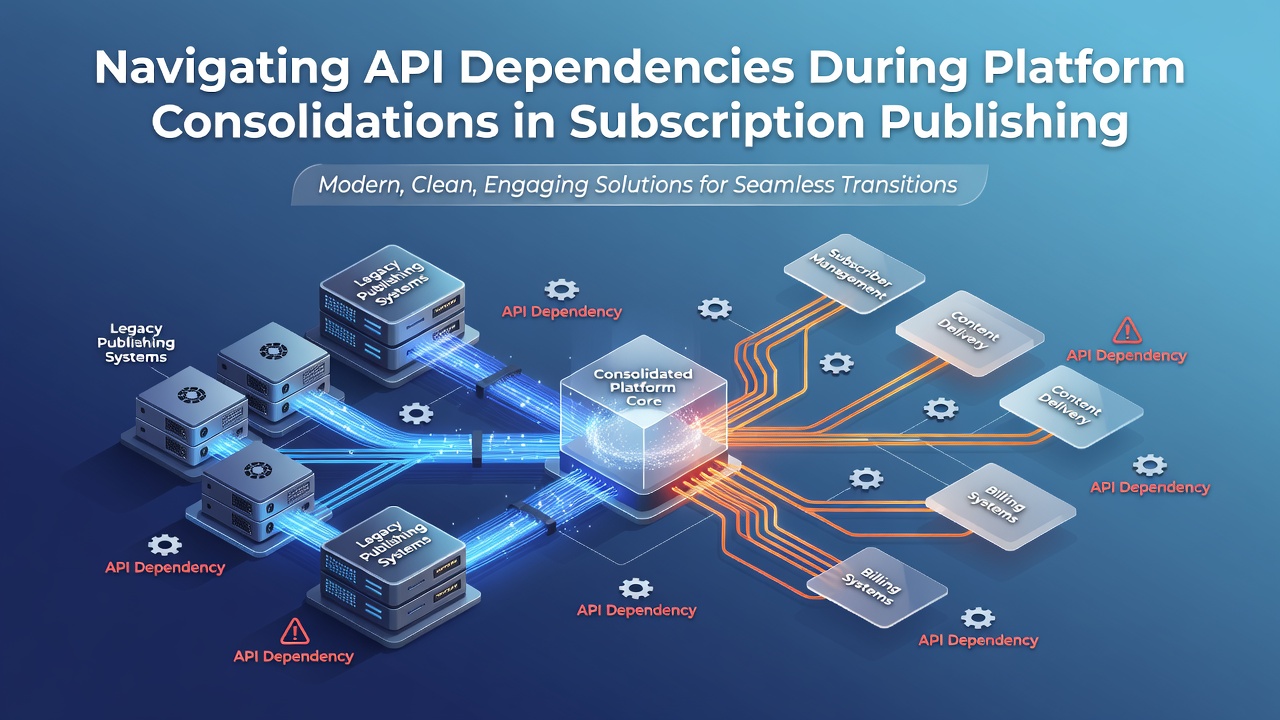
Subscription publishing platforms depend on networks of APIs that handle user authentication, billing cycles, content delivery, and analytics tracking, and consolidations require systematic approaches to these connections because overlapping systems create risks of service interruptions. Organizations track every endpoint, version number, and data flow before merging infrastructure, since unaddressed dependencies lead to failed transactions or compliance gaps. Data from industry analyses shows that mapping exercises often reveal dozens of hidden integrations that surface only after initial audits begin.
Mapping Dependencies Across Multiple Systems
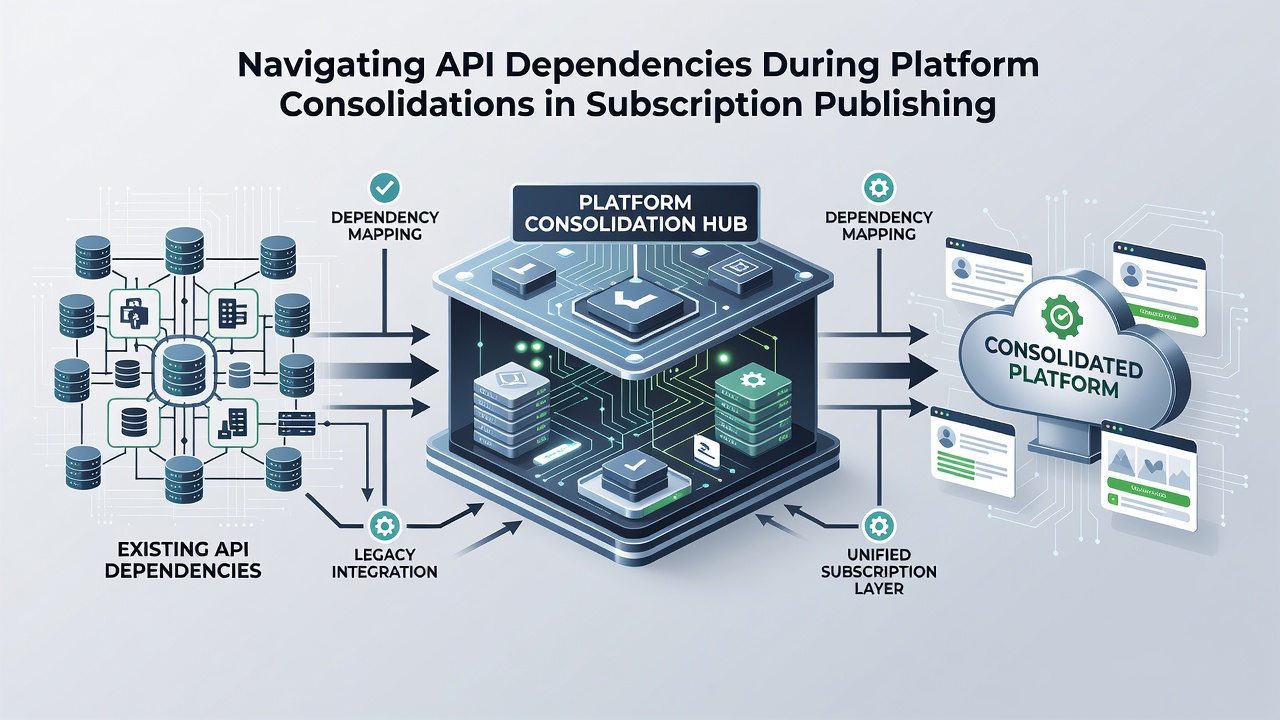
Teams start by cataloging all APIs in use, including those tied to third-party services for payment processing and subscriber management, while documenting request formats, authentication methods, and error handling routines. This inventory process incorporates automated scanning tools alongside manual reviews because some legacy connections lack clear documentation. Researchers at academic institutions have documented similar patterns in large-scale migrations where incomplete maps caused downstream delays lasting weeks. Observers note that subscription models amplify these issues since recurring revenue streams rely on uninterrupted API calls for renewals and access controls.
Impact assessments follow the mapping stage, evaluating how changes to one API affect others through dependency trees that highlight critical paths. Analysts use simulation environments to test consolidation scenarios, measuring latency spikes and data consistency across regions. Figures from regulatory bodies in the European Union indicate that platform operators must align these evaluations with data protection requirements during any structural shift. And experts emphasize testing under peak load conditions to mirror real subscriber behavior patterns.
Phased Migration Approaches and Testing Protocols
Consolidation projects typically proceed in stages that isolate high-risk APIs first, allowing teams to validate replacements without affecting live subscriber bases. Parallel running periods let old and new systems operate simultaneously while traffic gradually shifts based on performance metrics. This method reduces exposure because rollback options remain available if compatibility problems emerge during early phases. Studies from Canadian research centers on digital infrastructure have tracked how such staged rollouts improve success rates in media and publishing sectors.
Automated regression suites play a central role here, executing thousands of test cases that cover authentication flows, payment confirmations, and content access requests. Monitoring dashboards track error rates and response times in real time, triggering alerts when thresholds are crossed. Those who manage these processes often integrate logging standards that capture full request traces for post-consolidation reviews. As of October 2026, several major publishing consolidations have incorporated enhanced monitoring layers following updates to cross-border data transfer rules.
Compliance and Security Considerations
API dependencies must satisfy security protocols that include encryption standards, access controls, and audit trails throughout the consolidation window. Regulatory frameworks from Australia’s communications authority require documentation of these measures when platforms handle subscriber data across merged environments. Security teams conduct penetration tests on consolidated endpoints to identify vulnerabilities introduced during integration, focusing on authentication handoffs and token management. Evidence from multiple projects reveals that early involvement of compliance officers prevents costly revisions later in the timeline.
Version control strategies become essential when APIs from different platforms converge, because deprecation schedules rarely align across vendors. Organizations maintain compatibility layers that translate between formats while planning long-term standardization. Industry reports from the United States highlight how publishing groups that adopted unified API gateways during consolidations achieved faster stabilization of subscriber services. Yet the transition demands ongoing coordination between development and operations groups to handle edge cases that appear only after full cutover.
Conclusion
Platform consolidations in subscription publishing hinge on thorough navigation of API dependencies through structured mapping, phased execution, and rigorous testing that accounts for both technical and regulatory factors. Organizations that complete these steps maintain service continuity while meeting evolving standards. Data continuity across regions depends on these preparations, and ongoing refinements ensure systems adapt to future requirements without repeated disruptions.